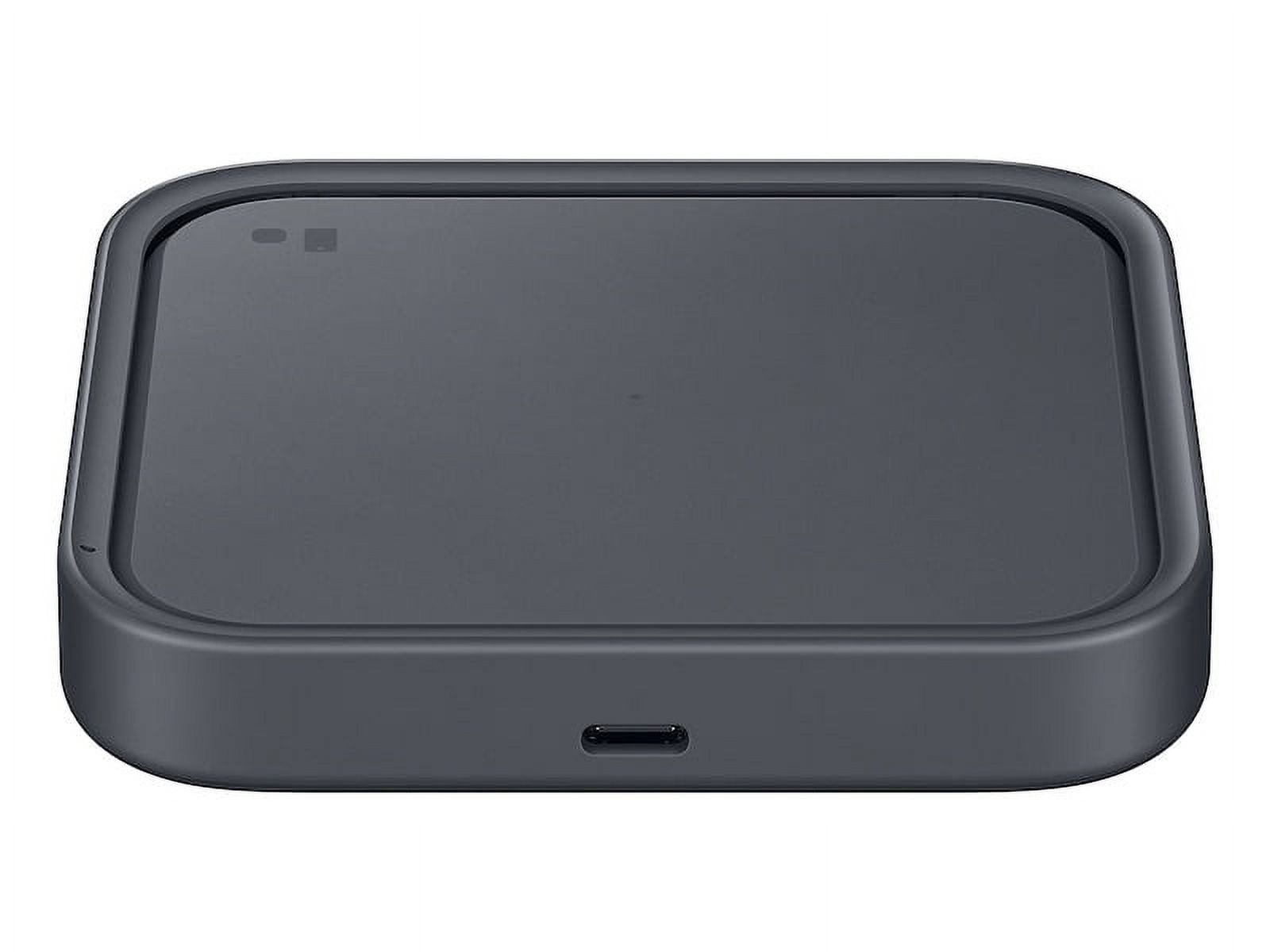
The Future of Power: How Wireless Charging is Transforming Technology
The future of power is undoubtedly being shaped by wireless charging, a technology that promises to revolutionize the way we interact with our devices. Imagine a world where your smartphone, electric vehicle, and even household gadgets can be charged without the hassle of tangled wires and bulky power adapters. With advancements in resonance charging and inductive methods, the efficiency of wireless power transfer is improving rapidly. Wireless charging is not just a convenience; it is a significant step towards a more sustainable future, reducing the environmental impact associated with traditional charging methods.
As we look ahead, the potential applications of wireless charging are vast and exciting. From public spaces like airports and cafes implementing charging pads to keep devices powered on the go, to the automotive industry integrating wireless charging technology into vehicles, the possibilities are endless. According to industry analysts, the global wireless charging market is expected to reach $30 billion by 2025, emphasizing the growing demand and integration of this technology across various sectors. As innovation continues, we can expect even more transformative changes that will redefine how we think about power.
If you're looking to declutter your workspace and keep your devices powered up, consider exploring the Top 10 Desk Wireless Chargers. These chargers not only offer convenience but also enhance the aesthetic of your desk with their sleek designs. Whether you have a smartphone, smartwatch, or earbuds, you'll find a wireless charging solution that fits your needs perfectly.
Understanding the Physics Behind Wireless Charging: A Comprehensive Guide
Wireless charging is a fascinating technology that leverages the principles of electromagnetism to transfer energy without the need for physical connectors. At its core, this process involves the use of an induction coil in both the charger and the device being charged. When an alternating current passes through the transmit coil, it generates a magnetic field. This field then induces a current in the receive coil located within the device, effectively charging its battery. This seamless energy transfer not only enhances user convenience but also minimizes wear and tear on the device's charging port.
The most common form of wireless charging is based on the Qi standard, which ensures interoperability between various devices and chargers. To optimize your experience with wireless charging, consider the following factors:
- Alignment: Proper alignment of the device with the charger is crucial for efficient energy transfer.
- Distance: Distance between the coils can affect charging speed; it’s best to keep the device as close to the charging pad as possible.
- Device case: Some protective cases can obstruct the charging process, so ensure your case is wireless charging compatible.
Is Wireless Charging Right for You? Pros and Cons Explained
When considering if wireless charging is right for you, it's essential to weigh its advantages and disadvantages. One significant benefit is convenience; simply placing your device on a charging pad eliminates the hassle of plugging and unplugging cords. Additionally, many modern devices support wireless charging, making it a seamless option for users who frequently need to recharge their devices. Moreover, with fewer cables needed, this technology can help reduce clutter and wear on charging ports, potentially prolonging the lifespan of your device.
On the flip side, there are also drawbacks to wireless charging that you should consider. For instance, wireless charging can be slower than traditional wired charging methods, which may be a significant factor if you need a quick power boost. Furthermore, not all cases are compatible with wireless charging, and sometimes you must remove protective cases to maintain efficiency. Finally, the cost of purchasing a reliable wireless charging pad can be higher than standard chargers, raising questions about whether the investment is worth it for your lifestyle.